Showing posts with label organic. Show all posts

01 April 2011

Cover Cropping It

Since my last post was about working with your soil to get it healthy and nutritious, I thought I would continue on the theme and talk about growing cover crops.  Generally this is done after your last harvest of whatever you have grown for the season or if you are planning on leaving a plot empty for a season or two. This publication will give you a lot of specific information on choosing which plants to grow and all the benefits or growing cover crops and green manure.

I found a few good passages to put here to give you a better idea of what I am talking about.

"Green manuring" involves the soil incorporation of any field or forage crop while green or soon after flowering, for the purpose of soil improvement. A cover crop is any crop grown to provide soil cover, regardless of whether it is later incorporated. Cover crops are grown primarily to prevent soil erosion by wind and water. Cover crops and green manures can be annual, biennial, or perennial herbaceous plants grown in a pure or mixed stand during all or part of the year. In addition to providing ground cover and, in the case of a legume, fixing nitrogen, they also help suppress weeds and reduce insect pests and diseases. When cover crops are planted to reduce nutrient leaching following a main crop, they are often termed "catch crops."


A major benefit obtained from green manures is the addition of organic matter to the soil.

Cover crops will also aid in fixing nitrogen into the soil. provide a healthy ecosystem for beneficial bacterial and aerate the soil.

Iz and I chose to add some winter cover crops to our large raised bed last fall. We sowed seeds for winter rye, red and white clover, dandelion and alfalfaSince this was the first year for this raised bed, which is sitting on top of plain old Ohio clay soil, we wanted to try and break up the soil beneath the bed and encourage the worms and other nutrients to travel up into it.


It looks a mess but will be incorporated into the soil as it decomposes
A winter cover crop is planted in late summer or fall to provide soil cover during the winter. Often a legume is chosen for the added benefit of nitrogen fixation. In northern states, the plant selected needs to possess enough cold tolerance to survive hard winters. Hairy vetch and rye are among the few selections that meet this need. (From the ATTRA Publication)

We turned over the plants two weekends ago and found that the plants did a good job and rooting deep and providing some organic matter to build the soil as it decomposes.

Look at the tap root and root system of this red clover!


The nice thing about having dandelions in the mix is that you can eat the greens and dry the root for tea instead of turning them into the soil. They just might be the first edible crop you harvest from your spring garden! Enjoy!

20 March 2011

Start with the soil

Spring is officially here! Iz and I took advantage of the warmer weather and the break in rain showers to clean up the yard and prepare some beds for sowing seeds.  We have three compost piles at the end of the main garden that we started in the fall last year. Basically we just throw all kitchen scraps, coffee grounds, egg shells, some paper (think cardboard coffee sleeves), and a bunch of leaves from the fall into the piles and turned them a couple of times over the season. This is a very informal way of composting, but this is an ideal way to compost for us for a few reasons. 
  • The piles are pretty close to the back door so we just throw the scraps in the pile as our compost bowl fills up.
  •  By composting in the garden, you are keeping all the good bacteria, worms, other bugs etc. that have been living in the compost piles in the garden-creating a more cohesive ecosystem. You are encouraging multiple generations of organisms to live in the soil of your garden.  
  • This helps build the soil naturally, allowing for less tilling, and more nutrients to stay in the soil.  If you are in an area where you have heavy clay soil, like we do, I think you will understand the desire to make a more "fluffy" or less dense soil for your plants.
I am not saying that everyone should compost like this, this is still an experiment for us and is working...so far. If you want to know more, we suggest the following books:  Start with the Soil by Grace Gershuny and One Straw Revolution by Masanobu Fukuoka.  I think I will devote a later post to a few more books that have been wonderful references for us.
There is some good stuff under the straw!

After checking out the soil, Iz started sowing a few seeds: Diakon Radish, Chicory and Mustard Greens.  All of these are happy to germinate in the cool soil.  As I am writing this, I am thinking of other ideas for later posts. I will talk about where we get our seeds why we like seed banks such as Seed Savers and J.L. Hudson over commercial brands such as Burpee. In addition, as things go to seed, I will show how to save seeds from your plants so you don't have to buy any the next year!
Take a look at some photos below. Some of this stuff may seem boring to some people, but once you get a whiff of nice fresh soil, you will be hooked!
Sowing Poppies in the Spring. They like to germinate in the cool earth and bloom when it is warmer.

Daikon Radish from Baker Creek

Directions
 
Iz preparing a spot for the Daikson radishes, mustard greens and chicory. All are good to sow in the very early Spring.

Breaking up the soil lightly

Tiny seeds will grow into large plants!

Diakon Radish Seeds

Chickory Seeds

After sowing, give the soil a little pat to tamp the seeds in.


After the seeds are in the ground, make sure you keep the soil moist as they germinate.  In the Spring it is nice because we usually get a decent amount of rain. Just keep an eye on the soil and water appropriately. Of course I will update with photos when they come up!

15 March 2011

Changes are coming


Year One Seed Starting

Over the past three years, my husband and I have become very interested in living closer to the land, living simpler-more cretive and fullfilling lives.  This started when we moved into I's childhood home and promptly began planning a garden.  If you look back through this blog, I have a few entires where we go through starting seeds in the basement and if you check out our Flickr page you will see what we have been up to the past few years.


Year One Garden-just finished
 We are also in our third year of investing in a CSA (Community Supported Agriculture) share through Hazelfield Farm in Kentucky. It has been so enjoyable to be able to pick up a bag-full of fresh produce grown locally and sustainably by the same people we interact with on a weekly basis at the farmer's market. We enjoy the challenge of using what is available, creating less waste and becoming more self-sufficient. Iz has begun to realize that horticulture, gardening, sustainable agriculture (whatever you want to call it) is indeed a passion of his. We have discussed the idea of buying property and turning it into our dream permiculture farm and have begun looking at property in ernest. Taking a step further, Iz began to look at farming interships and apprenticeships. We realized that if this was going to happen, Iz would have to leave his current job and commit 100% to his passion.  Through luck, devine intervention or whatever you want to call it, Smaller Footprint Farm contacted Iz and asked if he would be interested in applying for their internship in Yellow Springs, OH.  We thought, why not check it out? After a few agonizing weeks-debating back and forth-weighing the pros and cons, a visit to the farm and an interview, Iz was offered an apprenticeship with them.  By this time we had discussed the subject to death and were ready to take the plunge. Iz accepted the offer this weekendand turned in his letter of resignation at work today.


Some seedlings from last year
 It is still a little scary to think about living with one income, being away from home etc. but this is something that we both believe in and believe that it will all work out. The education Iz will get during this apprenticeship will be invaluable. It will indeed be an interesting year and we are looking forward to the challenges. I thought I would take this opportunity to use this blog to talk about our experiences and about sustainable agriculture, small farms, plants and beyond. I hope to visit the farm often to take lots of photographs and report back here.
We are still getting a full-share CSA with Hazelfield Farm this year and we will still have plans for a full garden at home as well. I hope to be able to talk about what we are doing with all of the beautiful produce and how to preserve the surplus.


Largest Raised Bed we made last year
This is still all very new and exciting! I hope I will have a lot of information and ideas to pass along as this spring and summer progress. Of course, I will be posting photos of our garden as it grows this year. I love to see the transition of empty beds to a profusion of flowers and vegetables! I am also going to try and reorganized our Flickr page into collections and sets that are relevant to eachother-probably one for each year for the garden at the house. Since this is the third year, we have a lot of photographs and perhaps they can be of better use if more organized.


 Stay Tuned! Izzy & Lizzy

01 December 2010

Mountain Rose Herbs Giveaway!

I love Mountain Rose Herbs.  They have everything I need to make my own bath products and teas. They are having a giveaway on their blog. Check it out!

11 July 2010

Photo a Day and Garden Update

Here are a few to make up for lost time...


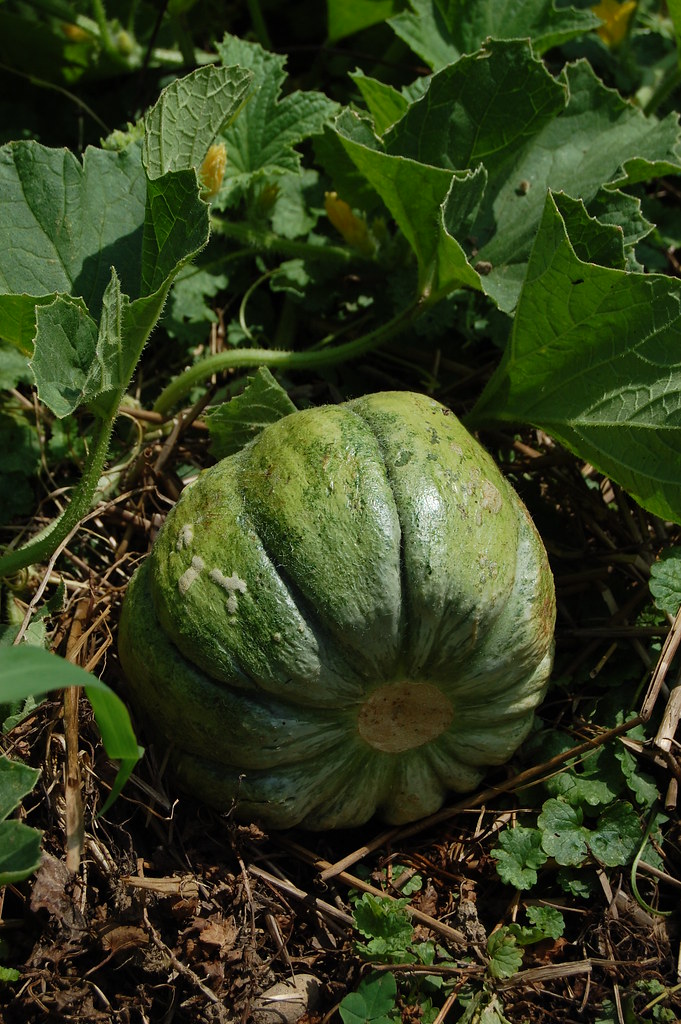
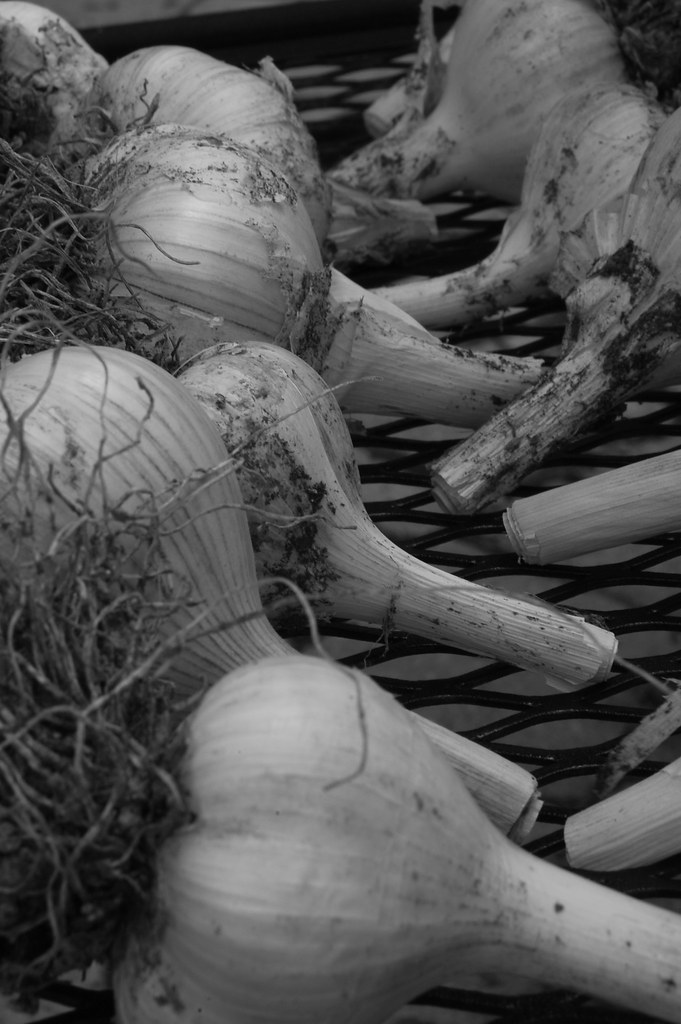
Check out our Flickr page for updated photos of the garden. We are starting to get more tomatoes which is exciting. The peas are there but we are waiting for more of them to grow before picking.  We have melons but they are smallish still and need to ripen. The beans have finished. We cleared out the plants and will probably plant a cover crop there. We harvested the garlic (as you can see above) and the potatoes. In their former bed we have planted cover crops: comfrey, borage, yarrow, bee's friend, fenugreek and sea kale.  Now is the time to start thinking about a second harvest so I think some more greens are going to go in as well as some carrots and maybe a few other things!

26 June 2010

Garden etc.


The largest raised bed is flourishing. The cosmos, amaranth, night scented stock, chamomile and poppies are all blooming.

Catching up on some favorites from the past few months.


 Carousel at St. Joe Michigan


 Headless Hebe's pitcher


Beach at the Outer Banks


 I'm thinking of a new project to get myself a little more focused. I'm going to try and take at least one photo a day and post it here.  I'm trying to do better at editing my work and hopefully this will help!  I'm trying to find new subject matter too and by taking the camera everywhere with me, I may find myself inspired in random moments.

21 June 2010

Happy Summer!

The garden is well on it's way this first day of summer.  We have all but one raised bed filled with plants! We've already harvested the Royalty Purple Pod and Empress green beans, and lots of herbs (made the first pesto of the season tonight!).  The tomatoes are green, I cannot wait for them to ripen.  The cone flower, cosmos, prairie coreopsis, rubeckia, monarda, vitex and one sunflower are blooming.


Much more has been uploaded to our Flickr page.

15 December 2009

Natural Products

I think it is very important for everyone to be a little more conscious about synthetic chemicals and harmful cleaning and personal hygiene products. They not only pollute our water and soil, but our bodies as well. I've been trying to replace conventional household cleaners and personal products with more earth and body friendly ingredients.


One book that I turn to rather frequently is The Naturally Clean Home by Karyn Siegel-Maier. It is small and portable and has recipes for everything from laundry "detergent" to floor polish. I use the liquid laundry recipe and mix up the scents using essential oils and different scents of Dr. Bronner's Castile Soap. It is basically 2 parts Dr. Bronner's 1 part white vinegar and 1 part water and 15 drops of essential oils. I shake it up in an empty Dr. Bronner's bottle and squirt about a half a cup into the washer as it fills with water. My favorite scents are lavender and peppermint. There are other types of laundry applications as well, including a bleach alternative.

What is nice also nice about the book is that she explains basic properties of essential oils and which are best for specific applications. For example, Thyme is anti-bacterial, so it is great to use in the kitchen. You need to be a little careful around essential oils, however. Make sure to dilute them in water, vinegar or a carrier oil-especially if they are going to come in contact with your skin.

Another great cleaning product is baking soda. I buy big boxes at the grocery store and use it for lots of things. I have a glass-stove top and it is hard to get burned on food and grease off the glass. When I need to get it shiny clean, I sprinkle baking soda on top and squirt the juice of a whole lemon on top. I let it get all fizzy and let it sit for about a half an hour. Then I take a moistened scrubber and scrub scrub scrub! The cooked-on particles release easily. This also works inside the oven.

As far as bath and body products, my main go-to cleanser is Dr.Bronner's Magic Soaps. It's made of all organic and biodegradable products. My husband and I use it in the shower for hair and body. It does make hair a little tangl-y so I use the Citrus Hair conditioning rinse. I think it works very well and smells nice.

I have recently started to make other bath and body products such as a Dead Sea Salt Scrub. Take 2 cups of Dead Sea Salt or regular Sea Salt, 1/2 c of jojoba oil (I use organic) a tablespoon of Dr. Bronner's and 15 to 20 drops of your favorite essential oil. (I like lavender.) Just mix it all together and put it in a non-breakable container since you are going to be using it in the bath. I use it once a week to scrub away dead skin and the jojoba moisturizes nicely. You can use it before shaving too, just not after or it may irritate your skin! I am also working on a brown sugar scrub too. Yum!

One place I like to buy products such as essential oils and the Dead Sea salt is Mountain Rose Herbs. They have many organic products from essential oils to beeswax to teas. Give them a try!

I still have more tips up my sleeves, but I will save more for later! Every little change we make helps ourselves and our earth be healthier.

xo,