Showing posts with label winter. Show all posts

01 April 2011

Cover Cropping It

Since my last post was about working with your soil to get it healthy and nutritious, I thought I would continue on the theme and talk about growing cover crops.  Generally this is done after your last harvest of whatever you have grown for the season or if you are planning on leaving a plot empty for a season or two. This publication will give you a lot of specific information on choosing which plants to grow and all the benefits or growing cover crops and green manure.

I found a few good passages to put here to give you a better idea of what I am talking about.

"Green manuring" involves the soil incorporation of any field or forage crop while green or soon after flowering, for the purpose of soil improvement. A cover crop is any crop grown to provide soil cover, regardless of whether it is later incorporated. Cover crops are grown primarily to prevent soil erosion by wind and water. Cover crops and green manures can be annual, biennial, or perennial herbaceous plants grown in a pure or mixed stand during all or part of the year. In addition to providing ground cover and, in the case of a legume, fixing nitrogen, they also help suppress weeds and reduce insect pests and diseases. When cover crops are planted to reduce nutrient leaching following a main crop, they are often termed "catch crops."


A major benefit obtained from green manures is the addition of organic matter to the soil.

Cover crops will also aid in fixing nitrogen into the soil. provide a healthy ecosystem for beneficial bacterial and aerate the soil.

Iz and I chose to add some winter cover crops to our large raised bed last fall. We sowed seeds for winter rye, red and white clover, dandelion and alfalfa.  Since this was the first year for this raised bed, which is sitting on top of plain old Ohio clay soil, we wanted to try and break up the soil beneath the bed and encourage the worms and other nutrients to travel up into it.


It looks a mess but will be incorporated into the soil as it decomposes
A winter cover crop is planted in late summer or fall to provide soil cover during the winter. Often a legume is chosen for the added benefit of nitrogen fixation. In northern states, the plant selected needs to possess enough cold tolerance to survive hard winters. Hairy vetch and rye are among the few selections that meet this need. (From the ATTRA Publication)

We turned over the plants two weekends ago and found that the plants did a good job and rooting deep and providing some organic matter to build the soil as it decomposes.

Look at the tap root and root system of this red clover!


The nice thing about having dandelions in the mix is that you can eat the greens and dry the root for tea instead of turning them into the soil. They just might be the first edible crop you harvest from your spring garden! Enjoy!

15 February 2010

Winter colors

Despite my yearning for Spring, I really do find the colors of Winter inspiring. The gray and white of the snow and clouds, the dusky blue to brilliant crisp azure sky, the stark brown tree branches.


Good stuff from Etsy:


belleandboo

I own these prints and love them. So cute.


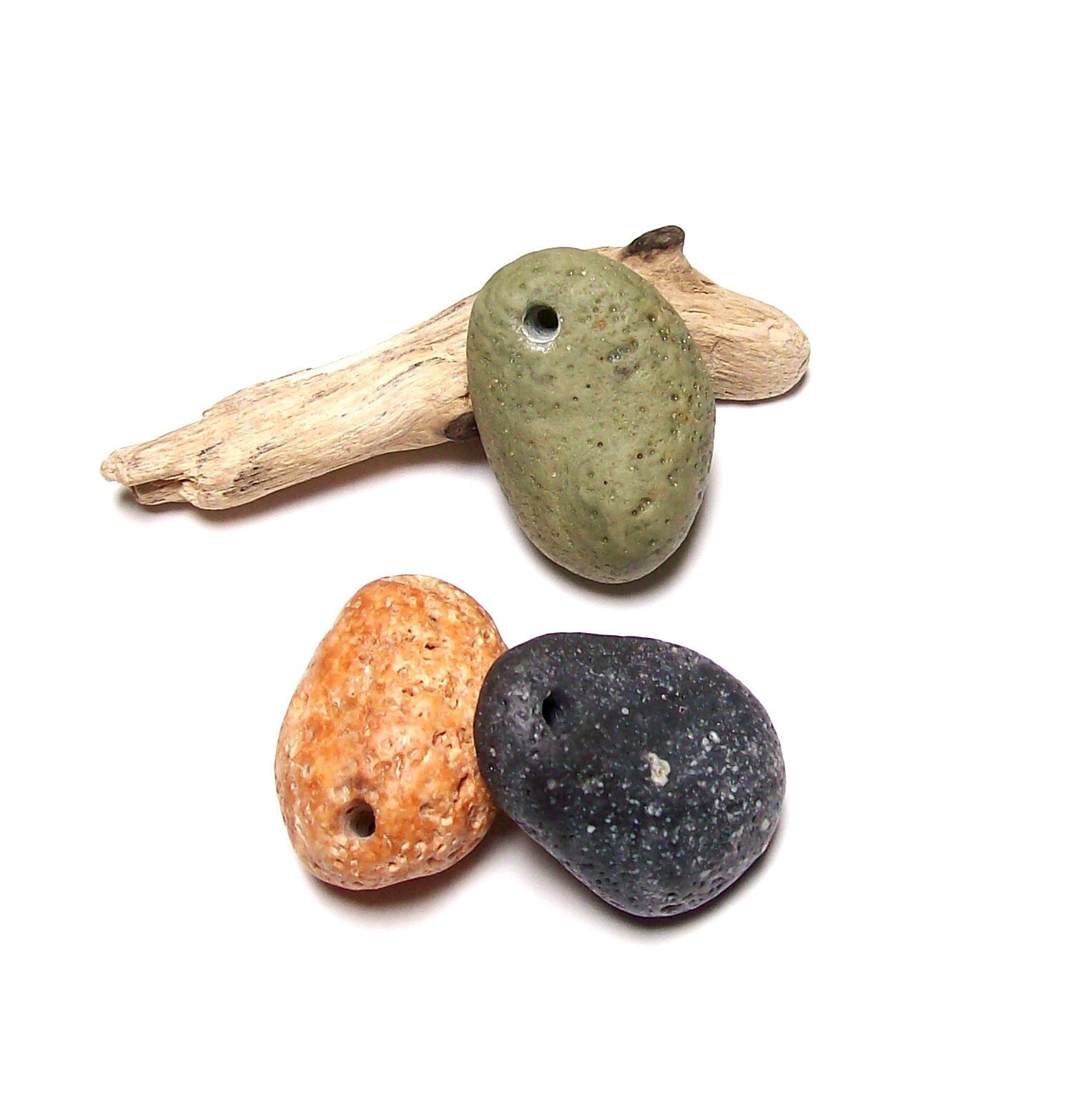
Stone Me

I love the colors and the fact that the only alteration made is a hole drilled so one can make them into something wearable.


MudPieNC
I'm always on the lookout for interesting mugs and  I like anything with bird prints so, naturally this is appealing to me.


I would love to get outside and take some more photographs, but I must wait for the snowstorm that is currently raging to subside! Perhaps my husband and I can go out tomorrow for my birthday!


24 January 2010

Yearning for Spring

As I mentioned in my last post, this Winter-especially January has been devoid of color and sun.  I'm yearning to see the little seedlings poking through the ground with promise of grand color and beauty in the Spring and Summer.  I planted some white Anemones and pink Alliums in addition to the traditional Daffodils and Tulips that all should be the first thing to bloom in our garden in late winter and early spring.  Since I can't enjoy them right now, I've been looking at catalogs for more spring bulbs to perhaps purchase for the next year. Here is what I've found most intriguing.

Anemone Lord Lieutenant
I love the color and the fact that the bloom time is in February-my birthday month and is amethyst in color-my birthstone. It would be like a little birthday present to myself!


How about some heirloom tulips? Yes, please!
 DUC VAN TOL ROSE, 1700
These only grow 6 inches tall, but would be great as a small colorful accent in a bed with taller plants blooming at the same time.
Or maybe mixed with some crocus?  NEGRO BOY, 1910
This unfortunately named Crocus is a wonderful deep indigo and would highlight the lovely pink in the small tulip.


This double tulip is very nice as well.  I really like flowers with many petals and have a different look than what a "traditional" tulip looks like. PEACH BLOSSOM, 1890

Another beautiful late winter addition to the garden are Lenten roses or hellebores.  Many of the colors have a "vintage" color to them-with muted pinks, creams, greens and purples.


I think that these would make lovely pressed flowers for cards or for framing like a botanical print. 

I can't wait for Spring so I can take pictures and document everything!